Loose or torn mesh
Chain link fabric, tension wire, tension bars, ties, and terminal connections should be checked together.
Chain link · pickets · posts · panels · gates
A torn chain link section, leaning post, broken picket, damaged panel, or dragging gate may be a focused repair—or evidence of a larger problem. Start with the failure, its cause, and the condition of the fence around it.
Residential · Multi-unit · Commercial · Repair-versus-replacement planning
Diagnose before patching
Fence repair begins by identifying what failed and what still works. A loose chain link section may need new tension or fabric, but movement at a terminal post can produce the same symptom. A sagging gate may need hardware, or the hinge post and footing may be moving. A broken wood picket may be isolated, while soft rails or several failing boards point to a broader condition.
A useful repair scope records the material, height, affected length, posts, framework or rails, gates, access, grade, and matching-part constraints. That makes a focused repair and a larger replacement option easier to compare on the same facts.
Request a Fence Repair Estimate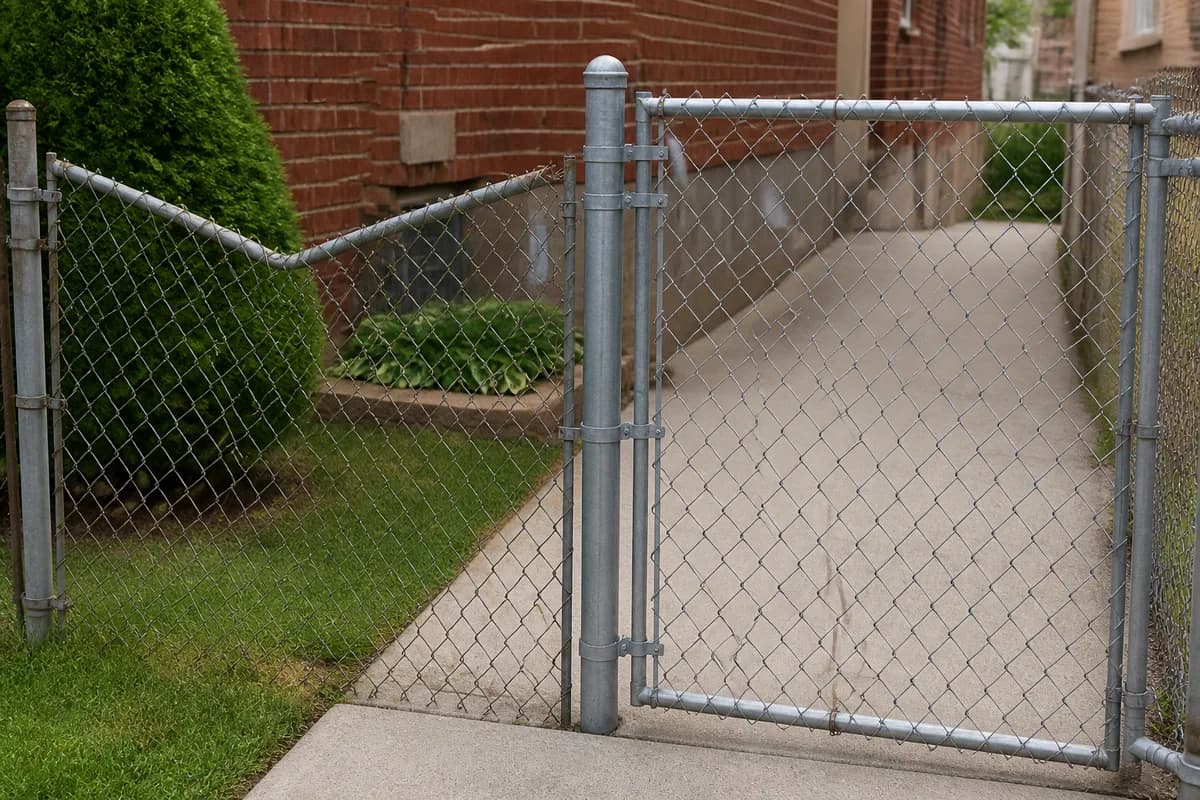
Common fence repairs
Posts, rails, fabric, panels, pickets, and gates depend on one another. The surrounding condition determines whether a localized fix will hold.
Chain link fabric, tension wire, tension bars, ties, and terminal connections should be checked together.
Impact can damage a top rail, sleeve, cap, brace, or fitting and may also move the supporting posts.
Footing failure, soil movement, frost, drainage, decay, corrosion, impact, or gate stress can change alignment.
Replacement depends on nearby rails and posts, compatible dimensions, material condition, and finish expectations.
Hinges, latches, frames, support posts, clearances, pavement, and grade all affect reliable operation.
Visible damage can extend into adjacent sections, footings, connections, and the gate or corner assemblies.
Chain link fence repair
Chain link fence repair can involve torn or loose fabric, bent top rail, damaged ties or fittings, leaning posts, a failed tension assembly, corrosion, or a walk or drive gate that no longer closes correctly. The mesh may show the problem first even when the cause begins at a post, footing, corner, or gate opening.
The repair decision should account for wire and mesh, galvanized or coated finish, framework size, fence height, compatible parts, and the condition of adjacent sections. When several posts have moved or corrosion is widespread, replacing part or all of the system may provide a more reliable result than stacking repairs.
Review Chain Link Repair Details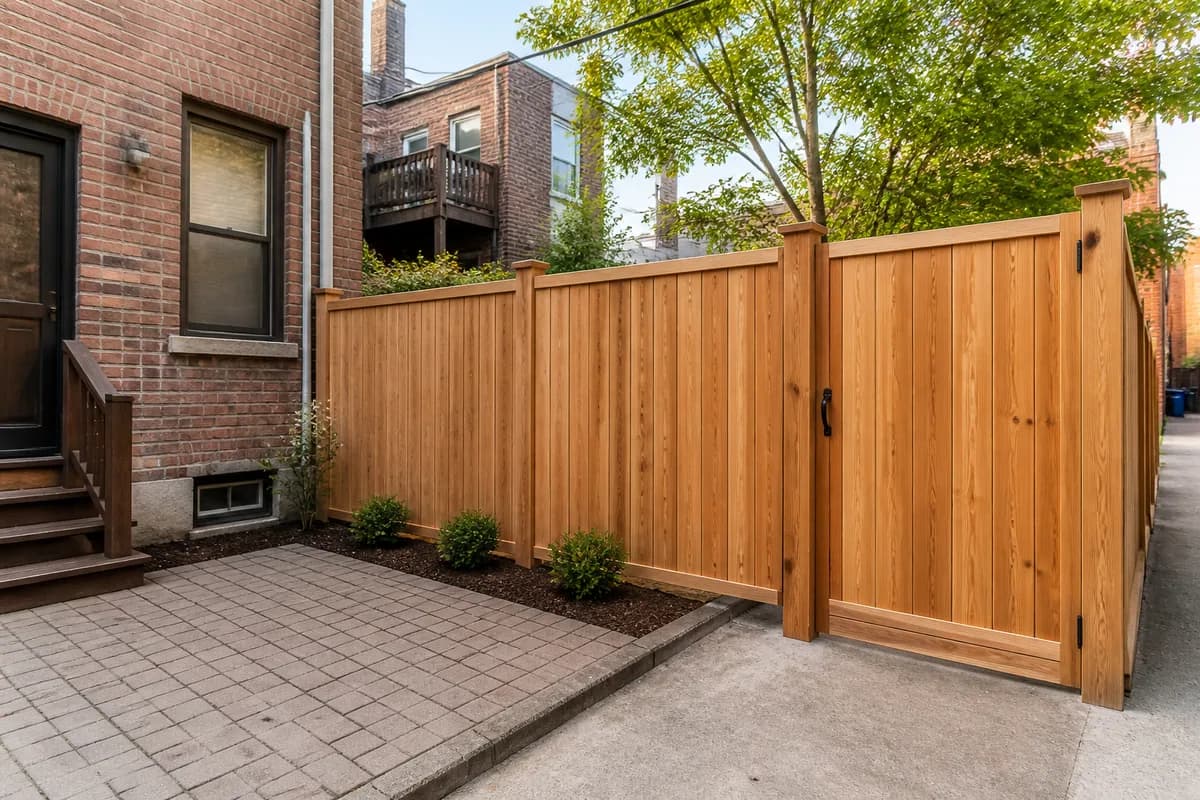
Picket fence repair Chicago
Wood pickets and boards can split, loosen, warp, decay, or break after impact. A practical repair checks the rails, posts, fasteners, bottom clearance, moisture exposure, and nearby boards before assuming one replacement piece is the full scope.
Matching an older fence can be imperfect. Board dimensions, profile, wood species, age, weathering, stain or paint, and discontinued components affect the final appearance. Vinyl and prefabricated panels have a similar parts-availability question: a damaged section may be replaceable when the original profile and compatible hardware can still be sourced.
Compare wood, vinyl, and privacy fence optionsFence repair or replacement?
A repair is most useful when it restores a fence that still fits the property. A larger scope can make more sense when failures repeat or the original layout no longer works.
Fence repair cost in Chicago
A latch adjustment is different from resetting a gate post. Replacing one picket is different from rebuilding a section with soft rails. A useful estimate identifies the cause and the complete repair scope before comparing cost.
Prepare a Repair RequestFence repair process
Photos can start the conversation, while post movement, footing condition, alignment, and matching parts may still require an on-site review.
Send wide photos of the line and close views of the failure so the visible damage has context.
Check the affected material, posts, footings, connections, gate opening, grade, and nearby sections.
Separate a focused repair from partial replacement or a new system, including matching-part limitations.
Review alignment, tension, clearances, latches, and the original containment or access goal.
Compare mesh, framework, finishes, gates, cost factors, and repair-versus-replacement decisions.
Explore chain link fencingReview matching-part, alignment, finish, hardware, and post considerations for aluminum repairs.
Explore aluminum fence repairCompare privacy, semi-private, and picket profiles, compatible parts, grade, gates, and upkeep.
Explore vinyl fencingRepair conversations can include loose or torn chain link fabric, bent rails, damaged fittings, leaning posts, broken wood boards or pickets, damaged vinyl panels, sagging gates, latch problems, and localized impact damage. The surrounding fence and the cause of the failure should be checked before a repair scope is recommended.
Often, yes, when the damage is localized and the surrounding posts, footings, fabric, and framework remain serviceable. Torn mesh, a bent top rail, loose tension, damaged fittings, or gate hardware may be repair candidates. Several moving posts, widespread corrosion, or a layout that no longer works can make replacement more practical.
Fence repair cost depends on the material, failed component, number of affected sections, post and footing condition, gate involvement, access, demolition, compatible-part availability, and whether concrete or pavement is involved. Photos can help start the conversation, but an on-site review may be needed for a reliable scope.
A localized board or picket replacement may be practical when the rails, posts, fasteners, and nearby boards remain sound. Matching the existing dimensions, profile, species, age, and finish can be difficult, and widespread rot or movement may point to a larger section repair or replacement.
A post can lean because of footing failure, soil movement, frost, drainage, impact, decay, corrosion, wind load, or stress from a gate. Straightening the visible fence without addressing the post or footing condition may leave the original cause in place.
Yes. A gate problem can involve hinges, latches, the gate frame, a moving support post, grade, pavement, or inadequate clearance. The full opening should be checked so the repair addresses the cause rather than repeatedly adjusting only the latch.
Send the property address, fence material and approximate height, wide photos of the full fence line, close photos of the damage, the number of affected sections, gate symptoms, and any known impact, storm, drainage, or movement history. Include what still needs to work after the repair, such as pet containment or vehicle access.
Start with the damage
Include the Chicago property address, fence material and approximate height, affected sections, gate problems, and any known impact, storm, drainage, or movement history.